Kill Florida Weeds Forever? 8 Eco Ideas & Inside Info on Herbicides
 September 15, 2025
1 min read
September 15, 2025
1 min read
Eliminating Weeds Permanently Is No Small Task
Weeds are the biggest challenge for homeowners in Central Florida. And a weed-free yard is the dream! But how can you get rid of them for good? Most weeds can be killed, but nothing will really prevent them from reappearing.
After all, seeds can remain dormant in your soil for years. But long-term control is possible! The goal is to disrupt their growth cycles and continuously keep them from establishing a foothold by fertilizing the turf to make it thicker and obstructing sunlight from reaching soil seeds.
In addition to trusting the professionals at Dr. Jack’s, you can more effectively fight back against weeds with the information below. Keep reading to learn more about eight natural remedies and an overview of herbicide options.
Eco-Friendly Weed-Killing Options
Maybe you’re not ready to use chemicals, or you’re only dealing with a small patch in a garden bed. Despite their drawbacks, these natural methods can be surprisingly successful.
- Rubbing Alcohol or Vodka
It’s true! Weeds can be dried out with a spray bottle mixture that contains one ounce of vodka (or rubbing alcohol), two cups of water, and a few drops of dish soap. The alcohol exposes the plant’s waxy layer to the sun, so sunny days are ideal for this weed remedy to work well.
- Salt Treatments
We know what you’re thinking: “Salt as a weed killer!?” Yes, you can kill a weed by placing a pinch of rock salt at its base. The problem is that salt sterilizes soil over time. Never use it in your garden beds or lawn unless you want nothing to grow there for months. It works great for driveways and in between pavers.
- Boiling Water
The best solution is sometimes the most straightforward one. Weeds in your driveway or sidewalk cracks will be instantly scorched if you pour a kettle of boiling water directly on them. It works incredibly well on young weeds and is completely free of chemicals. Just be mindful of your flowers and grass!
- Vinegar-Based Weed Killers
The 5% acetic acid in household vinegar may not cut it. Horticultural vinegar (20–30% acetic acid) is the stronger stuff you need. Spray it directly on a sunny day after mixing it with a tablespoon of salt and a squirt of dish soap to help it adhere to the leaves. Since it’s a contact killer, deep roots might not be killed, but the foliage will be.
- Flame Weeding
Yes, pyromaniacs, you can literally burn weeds to death with a propane torch. It’s ideal for expansive, non-flammable spaces like gravel pathways. Naturally, you should exercise caution, particularly during drier seasons or in fire-prone areas.
- Dense Turf & Ground Covers
Growing a thick, healthy lawn is the best natural approach to killing weeds (or crowding them out). Of course, watering, fertilizing, and mowing must be done correctly. You could also think about using dense ground covers in garden beds, such as Asiatic jasmine or liriope, which prevent weeds from growing.
- Mulch, Newspaper & Cardboard
In garden beds, a thick layer of mulch halts growth and blocks light. When beginning a larger project, such as a new bed, first lay down cardboard or newspaper, wet it, and then mulch over it. Even the hardest weeds are suppressed beneath by this “sheet mulching” method.
- Corn Gluten Meal
Did you know that corn gluten meal is a naturally occurring byproduct that prevents seeds from germinating? Before weeds appear in the early spring, sprinkle it on your lawn. However, don’t use it in your vegetable garden or in areas you’ve just seeded because it stops seeds from sprouting.
Is It Possible to Eliminate Weeds Forever?
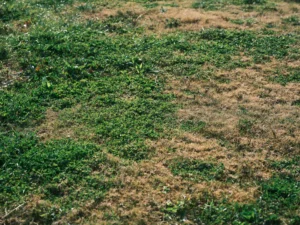
Let’s be truthful. It’s not entirely realistic to achieve forever because weed seeds are incredibly resilient. A consistent, long-term plan is essential to a more intelligent strategy. However, what does that actually mean?
Learn about your opponent first. Second, decide whether to use a professionally applied herbicide or a natural remedy that you can make yourself. We don’t want to just take away what already exists. What is waiting to sprout tomorrow and the day after that is what we want to stop!
Stopping Weeds From Returning
Landing a knockout blow is not as important as building a self-defense lawn for permanent control. You want to make your yard a place where weeds can’t grow.
The most effective way to keep weeds out? A thick, healthy lawn. You have an advantage because it’s your home turf. Weeds invade weak or struggling grass because they are opportunistic. Making your grass so strong and dense that weeds cannot live there is your aim. But how is that accomplished?
Manually remove small weeds. Although it’s a tough task, it prevents them from dispersing thousands of seeds and causing a much more serious issue the following season.
Wise watering has a big impact. Just be sure to water sparingly but deeply. This promotes the development of strong, deep roots for your grass. Don’t sprinkle too often. Overwatering promotes shallow roots and provides the moist conditions that weeds prefer.
Mow higher. Increasing the height of your mowing (3″+) helps to shade the soil underneath it. As a result, weed seeds are unable to receive the sunlight they need to sprout. It’s a quick and easy method of warding them off.
Lastly, give your lawn some fertilizer. A healthy lawn has the vital nutrients required for thick growth and increased resistance to weed invasion. Buy fertilizing, you give your grass what it needs to more easily win the battle.
Most Common Weeds in Central Florida
The types of weeds vary depending on where you live, even though they are a national annoyance. Knowing exactly what you’re up against is half the fight. This is a short list of common weeds found in the southern United States.
Dollarweed: Distinguished by its nearly flawless, coin-shaped leaves. It thrives in moist soil and can quickly blanket a lawn, but it can be controlled by applying a post-emergent broadleaf herbicide while it’s actively growing.
Nutsedge: A perennial pest that thrives in the area’s heat and humidity, nutsedge is one of the most common weeds in Florida. Your clue is that distinctive triangular stem.
Crabgrass: A coarse, grassy annual that thrives in our long summers and full sun. It crowds out your nice grass by spreading out in a star-like pattern.
Spurge: A dense mat-forming, low-growing summer annual. This typical southern weed is frequently found in troubled lawn areas and grows best in full sun and poor, compacted soil.
Chamberbitter: This common Florida weed resembles a tiny mimosa tree. However, it’s a nightmare in landscape beds because it frequently drops seeds from beneath its branches.
Killing Weeds With Herbicides
Natural solutions aren’t always enough for a severe weed infestation. Herbicides can help with that. Our skill in selecting and applying the appropriate product is what really makes our professional lawn care service stand out. Still, it helps to know the basics.
Contact vs. Systemic Herbicides
- Contact herbicides: Because they only kill the parts of the plant that come into contact with them, these sometimes fail to kill the root system despite producing quick results.
- Systemic Herbicides: Through absorption by the leaves and subsequent movement to the root system, these provide a more thorough kill for perennial weeds.
Selective vs. Non-Selective Herbicides
- Selective Herbicides: These are designed to take out specific types of weeds without harming your desired turfgrass.
- Non-Selective Herbicides: Almost any plant they come into contact with will be killed or damaged. They work best when an area is completely cleared, driveway cracks are treated, or precise spot spraying is done. Basically, they’re not advised for use on turf because they’ll kill the grass.
Pre-Emergent vs Post-Emergent Herbicides
- Pre-Emergent: By creating a barrier in the soil, they stop weed seeds from sprouting. The timing of this proactive strategy is crucial, as the herbicide must be applied before the temperature rises and weeds start to grow again.
- Post-Emergent: These pertain to weeds that are already visible. They’re sprayed directly onto the leaves of weeds that are actively growing.
Considerations for Florida
There are no general guidelines that apply to weeds. Your local climate dictates your strategy, so tailoring your approach is the key to real success.
Humid Climates: When there’s continuous moisture, everything grows quickly. Be mindful of the physical barriers. Mulch is essential for blocking light in garden beds. Using the sun to clean your slate without the use of chemicals is called soil solarization, which entails baking weeds under clear plastic.
Warm-Season Lawns: The seasons are the key to your rhythm. Weed pressure is an even bigger deal since the growing season for warm-season grasses is longer.
FAQs for Weed Killing in Florida
How do you kill weeds without harming grass?
In addition to the natural remedies we listed in this article, you can also hand pull weeds or use specially formulated herbicides.
What is the strongest herbicide?
There isn’t a single herbicide that’s considered the most powerful, but our EPA and state approved professional-grade herbicides are all extremely effective.
Is bleach suitable to use on weeds?
Bleach kills weeds, but it’s also toxic, damaging almost anything it touches. It should only be used in non-plant areas where weeds are growing, such as between sidewalk cracks or pavers.
Does vinegar kill weeds permanently?
No, vinegar doesn’t usually impact the root, so it allows weeds to grow back.
Can Dawn dish soap kill weeds?
Yes, a mixture with dish soap can dehydrate weeds, but it isn’t a permanent solution because these weeds can recover eventually.
Enjoy Fewer Weeds In Your Lawn
Long-term control can’t be achieved with a single magic solution. So how can you permanently kill weeds in Florida? It all comes down to using the right knockout method, whether it be a natural remedy or a targeted herbicide, in conjunction with efficient, consistent prevention.
Remember that the biggest difference will be knowing when to do it in your area and committing to a healthy lawn. Reach out to Dr. Jack’s today for professional care that works! We proudly offer lawn care services to the following areas in Central Florida:
- Altamonte Springs
- Apopka
- Belle Isle
- Casselberry
- Chuluota
- Clermont
- Edgewood
- Fern Park
- Geneva
- Gotha
- Heathrow
- Lake Mary
- Longwood
- Maitland
- Ocoee
- Orlando
- Oviedo
- Sanford
- Windermere
- Winter Park
- Winter Springs